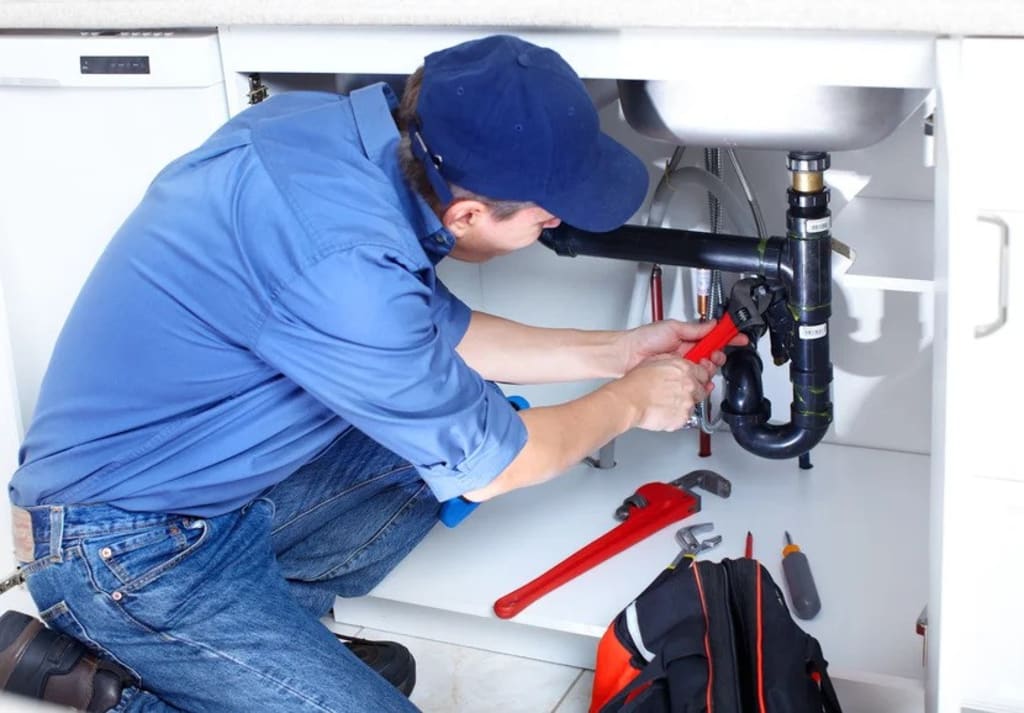
Reliable plumbing is essential to a comfortable and functional home. From drinking water and showers to drainage, water heating, and appliances, residential plumbing systems support many of the activities people depend on every day. As technology advances, plumbing is also becoming more efficient, connected, and focused on preventing problems before they become expensive emergencies.
In 2026, homeowners are increasingly interested in water-saving fixtures, smart leak detection, tankless water heaters, advanced filtration, efficient pumps, and preventative maintenance. These developments are changing how people think about residential plumbing and creating opportunities to improve both reliability and resource efficiency.
For homeowners researching plumbing services, understanding these trends can help them make informed decisions about repairs, maintenance, upgrades, and new installations.
One of the most important developments in modern residential plumbing is smart leak detection.
Traditional plumbing problems may remain unnoticed until water damage becomes visible. A small leak behind a wall, beneath a fixture, or near an appliance can continue for an extended period before someone notices it.
Smart sensors can monitor areas vulnerable to leaks and send alerts when unexpected moisture is detected. More advanced systems can monitor water flow and identify unusual usage patterns.
For example, continuous water movement when nobody is using a fixture could indicate a hidden leak. Early detection may allow homeowners to investigate a problem before significant property damage occurs.
Water conservation remains an important consideration in 2026. Modern faucets, showerheads, toilets, and other plumbing fixtures are increasingly designed to reduce water consumption without sacrificing everyday functionality.
Replacing outdated fixtures with efficient alternatives can reduce unnecessary water usage over time.
However, homeowners should consider the overall plumbing system before making significant changes. Water pressure, pipe condition, fixture compatibility, and household requirements can all influence which products are appropriate.
Water heating represents a significant portion of household energy use, making efficiency an important consideration for homeowners.
Tankless water heaters heat water as it is needed rather than continuously maintaining a large stored supply at a set temperature.
This design can provide advantages in appropriate applications, including reduced standby losses and a potentially longer service life.
However, tankless systems have specific installation requirements involving water flow, electrical or gas capacity, venting, and system sizing.
Professional evaluation is important before replacing a conventional water heater with a tankless model.
Water pumps are another area experiencing technological development.
Modern variable-speed pumps can adjust their output according to water demand. Instead of operating continuously at a fixed speed, the pump can increase or decrease performance as household usage changes.
This can help provide more consistent water pressure while potentially reducing unnecessary energy consumption.
Smart pump controls can also provide information about operating conditions and may alert homeowners to unusual behavior.
These systems require appropriate installation and configuration to operate correctly.
Water quality remains a major concern for many homeowners. Modern filtration systems offer a range of solutions depending on the characteristics of a property's water supply.
Point-of-use filters can treat water at individual fixtures, while whole-house systems can provide filtration throughout the property.
Some advanced systems combine multiple treatment technologies to address specific water-quality concerns.
Homeowners should test their water and understand the actual issue before selecting filtration equipment. A system designed for one type of contaminant may not address another.
Many properties contain plumbing infrastructure that has been operating for decades. Aging pipes can become vulnerable to corrosion, mineral buildup, leaks, and reduced flow.
Visible rust, discolored water, recurring leaks, low pressure, or unexplained moisture can indicate that a plumbing system deserves professional evaluation.
Replacing an entire piping system is a significant investment, so homeowners should not assume that every older pipe requires immediate replacement.
A professional inspection can help determine the condition of accessible plumbing and identify the most appropriate solution.
Plumbing maintenance is often overlooked until something fails. However, preventative inspections can help identify developing problems before they cause major disruption.
Professionals can evaluate water pressure, visible piping, shutoff valves, fixtures, drainage, water heaters, pumps, and other components depending on the property.
Homeowners can also contribute by watching for slow drains, dripping faucets, unusual water sounds, recurring toilet problems, and unexplained increases in water usage.
Small warning signs should not automatically be ignored simply because the system is still functioning.
Drainage problems are another common household concern. Grease, hair, foreign objects, mineral deposits, and accumulated debris can restrict wastewater flow.
Modern diagnostic equipment can help plumbing professionals identify blockages and inspect sections of pipe without unnecessarily disturbing surrounding areas.
Camera inspection technology is particularly useful for locating problems inside drainage lines. It can provide visual information about blockages, cracks, root intrusion, or other pipe conditions.
This approach can make diagnosis more targeted and reduce unnecessary excavation.
Smart water technology is increasingly becoming part of the broader connected-home ecosystem.
Flow monitoring, leak sensors, automated shutoff systems, and water-use tracking can provide homeowners with greater visibility into household consumption.
These technologies can support sustainability by helping identify waste and unusual usage.
For homeowners interested in reducing water consumption, combining efficient fixtures with monitoring technology and regular maintenance can provide a more comprehensive strategy.
Advanced plumbing equipment may offer significant benefits, but installation quality remains critical.
Incorrect connections, inadequate sizing, poor pressure management, improper venting, or unsuitable equipment can create performance and safety problems.
Professional plumbers can evaluate the existing system, determine compatibility, install equipment correctly, and identify potential issues that may not be obvious to homeowners.
This is especially important for water heaters, pumps, filtration equipment, gas-connected appliances, and major piping projects.
When comparing plumbing services, homeowners should look beyond price alone.
Experience, qualifications, transparent communication, appropriate diagnostic equipment, emergency availability, and knowledge of modern plumbing technology can all be valuable considerations.
A reliable professional should explain the cause of a problem, discuss available options, and distinguish between necessary repairs and optional upgrades.
Clear information allows homeowners to make decisions based on the condition of their property and their long-term needs.
Residential plumbing is becoming smarter, more efficient, and increasingly focused on prevention. Smart leak detection, water monitoring, variable-speed pumps, efficient fixtures, advanced filtration, tankless water heating, and modern diagnostic equipment are shaping the industry in 2026.
Technology alone cannot eliminate plumbing problems, but it can help homeowners identify issues earlier and manage water more efficiently.
The strongest approach combines modern equipment with professional installation, preventative maintenance, responsible water use, and timely repairs. By paying attention to warning signs and keeping plumbing infrastructure properly maintained, homeowners can protect their property while improving the reliability and efficiency of their water systems for years to come.

This post has been authored and published by one of our premium contributors, who are experts in their fields. They bring high-quality, well-researched content that adds significant value to our platform.









Pakistan View is a Pakistan-focused online platform sharing useful, informative, and engaging content about Pakistan and a wide range of general topics.