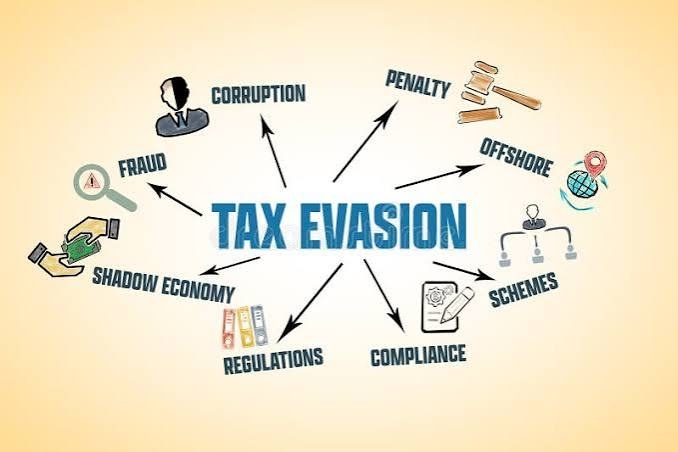
Tax compliance is a fundamental responsibility for individuals, businesses, and organizations. Governments depend on tax revenue to fund public services, infrastructure projects, healthcare systems, education programs, and other essential functions. As financial transactions become increasingly digital and interconnected, tax authorities are investing heavily in advanced technology to improve transparency and detect reporting irregularities.
In recent years, regulatory agencies around the world have expanded enforcement efforts, making compliance a higher priority than ever before. Businesses and taxpayers now operate in an environment where financial information can be verified through multiple data sources, automated reporting systems, and sophisticated analytical tools.
As a result, understanding legal obligations and maintaining accurate records have become essential components of sound financial management. Failure to do so can expose taxpayers to significant legal, financial, and reputational risks.
Tax laws can be complex, and not every filing error results in severe penalties. Honest mistakes, calculation errors, and misunderstandings may often be corrected through amendments or administrative procedures.
However, authorities generally distinguish accidental errors from intentional misconduct. Deliberately concealing income, falsifying records, or misrepresenting financial information can lead to far more serious consequences.
Many people researching tax evasion are surprised to learn that intent often plays a major role in determining how regulators respond to potential violations. The more evidence that suggests deliberate concealment or deception, the more serious the legal implications may become.
Regulatory agencies routinely examine financial activities for indicators of noncompliance. While every case is unique, certain practices frequently attract scrutiny.
Failing to disclose earnings from employment, investments, business activities, or other sources may create significant compliance issues.
Some individuals attempt to hide ownership interests, financial accounts, or investment holdings to avoid reporting obligations.
Claiming expenses that were never incurred or exaggerating legitimate deductions can result in substantial penalties.
Businesses that fail to maintain accurate records or intentionally misstate financial information may face increased regulatory attention.
International financial activities often involve additional reporting requirements that must be carefully followed.
Understanding these risks can help taxpayers avoid decisions that may lead to future disputes with tax authorities.
The compliance landscape has changed dramatically over the last decade. Advances in technology have significantly improved the ability of regulators to identify inconsistencies and unusual reporting patterns.
Modern enforcement tools may include:
These technologies enable agencies to compare information from multiple sources and identify discrepancies much more efficiently than in the past.
As a result, transparency and accurate reporting have become increasingly important for both individuals and organizations.
Many taxpayers focus only on unpaid taxes when evaluating potential risks. However, the financial consequences often extend far beyond the original amount owed.
Potential consequences may include:
Authorities may impose substantial fines depending on the nature and severity of the violation.
Unpaid balances often accumulate interest over time, increasing the overall financial burden.
Investigations and audits can require significant time, documentation, and professional assistance.
Companies facing regulatory inquiries may experience operational challenges and increased administrative expenses.
Public allegations of misconduct can negatively affect professional relationships, customer trust, and business opportunities.
These factors demonstrate why proactive compliance is often far less costly than addressing problems after they arise.
Individuals and businesses can reduce risk by implementing effective financial management practices.
Detailed documentation supports income reporting, deductions, expenses, and financial transactions.
Periodic evaluations of financial records help identify errors before filings are submitted.
Clear separation of accounts and transactions improves transparency and simplifies reporting.
Qualified tax professionals can help taxpayers understand changing regulations and reporting requirements.
Businesses should establish procedures that promote accountability and reduce opportunities for misconduct.
These practices support long-term compliance while improving overall financial organization.
Compliance is not solely a legal issue; it is also an ethical responsibility. Transparent reporting promotes fairness and helps maintain confidence in financial and regulatory systems.
Organizations that prioritize ethical conduct often benefit from:
A culture of integrity can significantly reduce the likelihood of conduct that may lead to allegations of tax evasion or other regulatory violations.
Several developments are influencing compliance expectations this year.
Regulators increasingly rely on machine-learning systems to identify unusual financial activity.
Digital assets continue receiving increased attention from tax authorities worldwide.
Governments are sharing financial information more frequently to address cross-border compliance concerns.
Electronic filing and real-time reporting systems continue expanding across numerous jurisdictions.
Businesses face growing pressure from regulators, investors, and consumers to maintain transparent financial practices.
These trends are making compliance more important and more visible than ever before.
Successful compliance requires more than completing annual tax filings. It involves establishing reliable systems that support accuracy throughout the year.
Individuals should focus on maintaining organized records, understanding reporting obligations, and seeking professional assistance when needed. Businesses should invest in training, internal controls, and regular compliance reviews to ensure financial information remains accurate and complete.
Organizations that adopt proactive strategies are generally better positioned to manage regulatory changes and reduce exposure to unnecessary risks associated with tax evasion investigations.
As financial systems become more sophisticated and enforcement technology continues advancing, tax compliance remains a critical priority for individuals and businesses alike. Accurate reporting, strong documentation, and ethical financial practices are essential for reducing risk and maintaining long-term stability.
Understanding the causes and consequences of noncompliance can help taxpayers make informed decisions and avoid costly mistakes. In 2026, those who prioritize transparency and professional guidance will be better equipped to navigate evolving regulations while protecting their financial interests and reputations.

This post has been authored and published by one of our premium contributors, who are experts in their fields. They bring high-quality, well-researched content that adds significant value to our platform.












Pakistan View is a Pakistan-focused online platform sharing useful, informative, and engaging content about Pakistan and a wide range of general topics.