Owning a home in Florida comes with many responsibilities, from routine maintenance to keeping major systems in good working condition. For owners of older properties, understanding the condition of key systems can be particularly important when dealing with insurance requirements, property transactions, and long-term maintenance planning.
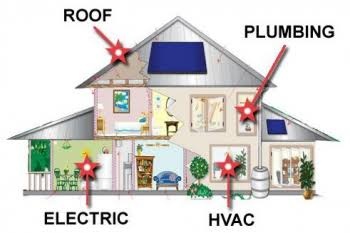
A 4 point inspection provides a focused look at four major components of a residential property: the roof, electrical system, plumbing system, and heating and cooling system. Although this evaluation is narrower than a comprehensive home inspection, it can provide useful information about the condition and characteristics of these essential systems.
A four-point inspection is a specialized property evaluation generally focused on four major systems within a home. The purpose is to document observable information about these components rather than provide a complete assessment of the entire property.
The four areas typically include:
The inspection is generally visual and limited to accessible components. It does not necessarily involve dismantling equipment, opening concealed areas, or performing specialized engineering or mechanical analysis.
Because insurance requirements can vary, homeowners should confirm with their insurance provider what information and documentation are currently required.
Florida's climate can place significant demands on residential properties. High humidity, intense sunlight, heavy rainfall, and severe storms can affect roofing materials, plumbing components, electrical systems, and air-conditioning equipment over time.
Older homes may also contain systems installed under different construction standards or materials than those commonly used today.
A 4 point inspection can help document the observable condition of these major systems and provide homeowners with useful information when reviewing their property.
For insurance purposes, however, an inspection report does not guarantee coverage, eligibility, or a particular premium. Those decisions are made by individual insurance companies according to their own underwriting guidelines.
The roof is one of the most important protective components of a home. During a focused inspection, accessible roofing materials and observable characteristics may be documented.
Inspectors may consider the apparent condition, age-related characteristics, installation features, and visible signs of deterioration or damage.
A roof that appears well maintained can provide homeowners with greater confidence, while visible concerns may indicate the need for maintenance or further evaluation by a qualified roofing professional.
Electrical components receive special attention because outdated or damaged systems can create safety and maintenance concerns.
Depending on accessibility, an inspector may document visible characteristics of the electrical panel, wiring, service equipment, and other accessible components.
The inspection is not a substitute for a comprehensive electrical evaluation. If potentially hazardous conditions are observed, consultation with a licensed electrician may be recommended.
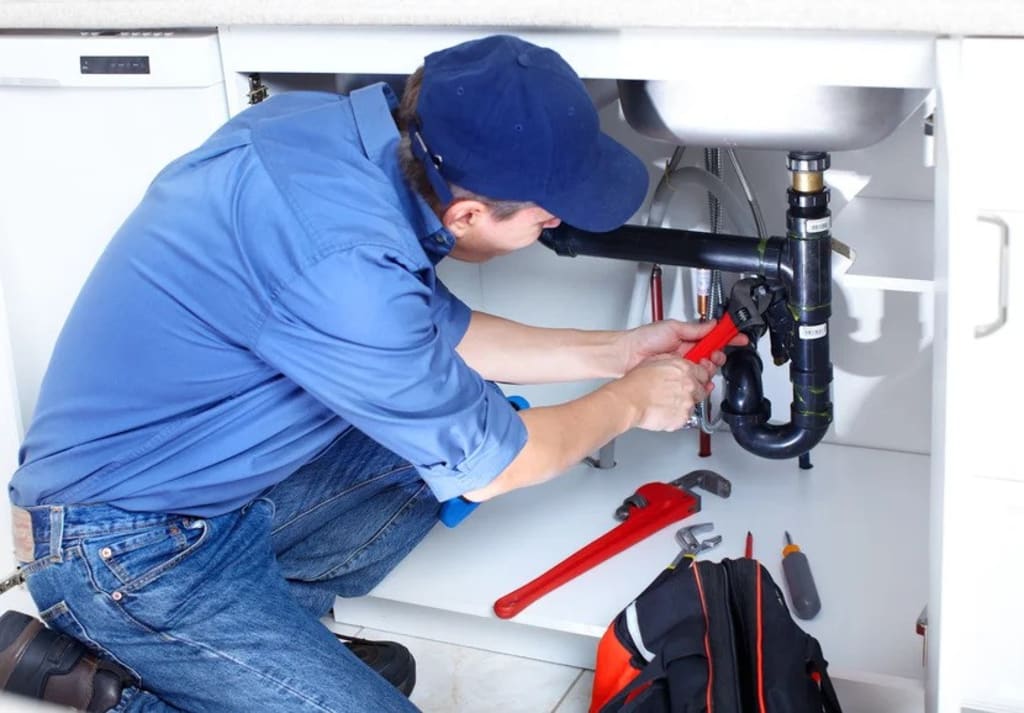
Plumbing systems can develop problems gradually, especially in older homes. Corrosion, leaks, deteriorated connections, and aging components may affect a property's maintenance needs.
An inspection can document accessible supply and drain piping, water heaters, fixtures, and visible connections.
Homeowners should address active leaks promptly because water damage can affect more than just plumbing. Persistent moisture can potentially contribute to deterioration of building materials and other property concerns.
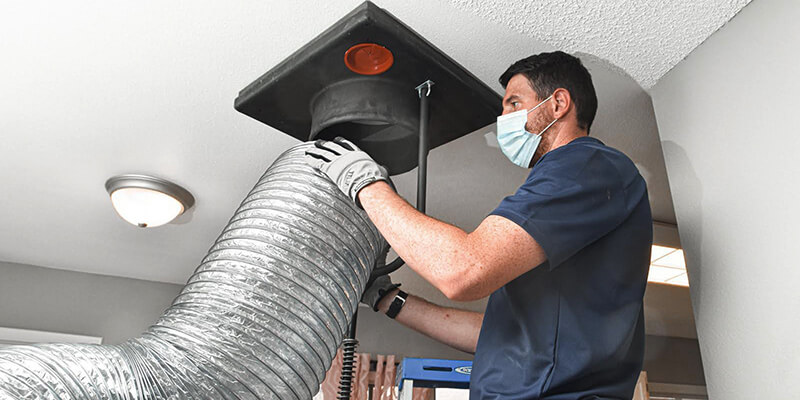
Florida's warm climate makes heating and cooling equipment especially important. Air-conditioning systems often operate for extended periods, making regular maintenance essential.
During a focused evaluation, accessible HVAC equipment may be reviewed for observable condition and identifying information.
A standard inspection does not constitute a detailed HVAC performance analysis. When a system appears to have significant concerns, a qualified HVAC professional can provide more specialized testing and recommendations.
The right time for a four-point evaluation depends on the homeowner's circumstances. It may be useful when purchasing an older property, reviewing insurance requirements, renewing coverage, or documenting major system upgrades.
Homeowners who have recently replaced a roof, updated electrical components, upgraded plumbing, or installed new HVAC equipment may also want to maintain records of those improvements.
Keeping permits, invoices, product information, and maintenance records organized can make it easier to document improvements when requested.
These two services are often confused, but they serve different purposes.
A comprehensive home inspection generally examines many accessible components throughout a property, including structural elements, exterior areas, interiors, roofing, electrical, plumbing, HVAC, and other systems within the inspection scope.
A four-point evaluation has a much narrower focus on the four major systems.
For someone purchasing a home, a full inspection may provide broader information about the property's overall condition. For a homeowner seeking specific insurance documentation, a focused inspection may be more appropriate depending on the insurer's requirements.
Homeowners can make the process easier by ensuring that important areas and equipment are accessible. Electrical panels, HVAC equipment, water heaters, and other relevant components should not be blocked by stored belongings when possible.
It is also helpful to gather records relating to roof replacements, electrical upgrades, plumbing work, HVAC installations, and permits.
Good documentation can help provide context for observable features and may be useful when an inspector needs supporting evidence.
Older Florida homes can contain a wide variety of construction methods and system configurations. An experienced inspector can recognize common characteristics and clearly document observable conditions.
Homeowners should choose a qualified professional and confirm that the inspection documentation meets the intended purpose, particularly when the report is being submitted to an insurance provider.
It is also important to remember that an inspection reflects conditions that can be observed at the time of the evaluation. Hidden defects or inaccessible components may require additional investigation.
Understanding the condition of a home's major systems can help homeowners plan maintenance and address concerns before they become more complicated.
A 4 point inspection provides focused information about the roof, electrical, plumbing, and HVAC systems. While it does not replace a comprehensive home inspection, it can serve an important purpose when documentation of these major components is needed.
For Florida homeowners in 2026, proactive maintenance remains one of the smartest ways to protect a property. Regularly maintaining major systems, keeping accurate records, and arranging appropriate professional evaluations can make homeownership more predictable.
Whether you're preparing for an insurance review, purchasing an older home, or simply trying to understand the condition of your property's essential systems, a focused evaluation can provide useful information. A 4 point inspection is one practical tool homeowners can use to make better-informed decisions about their property.

This post has been authored and published by one of our premium contributors, who are experts in their fields. They bring high-quality, well-researched content that adds significant value to our platform.









Pakistan View is a Pakistan-focused online platform sharing useful, informative, and engaging content about Pakistan and a wide range of general topics.